


Chongwen Village in Taiwan – a hidden tea village and its secrets


Hello! travelers,
or rather Ni hao, because this time we will wander to Taiwan, specifically to Ruifang, the gateway to another world, the world of tea.
Imagine stepping into a bamboo forest, where every gust of wind sounds like the breath of an ancient tale. That's how I felt in Ruifang District, more precisely in the hidden gem – Chongwen Village. This place is like a kettle on the fire – seemingly calm, but bubbling with history, aroma, and mystery inside.
Fog, bamboo, and whispers of the past... will you dare to brew tea where spirits still roam?
So let’s walk through the bamboo paths to a typical teahouse, where I will show you the secrets of the traditional tea ritual, recommend the best teas to bring home, and tell a story that... well, might make you look over your shoulder twice next time.
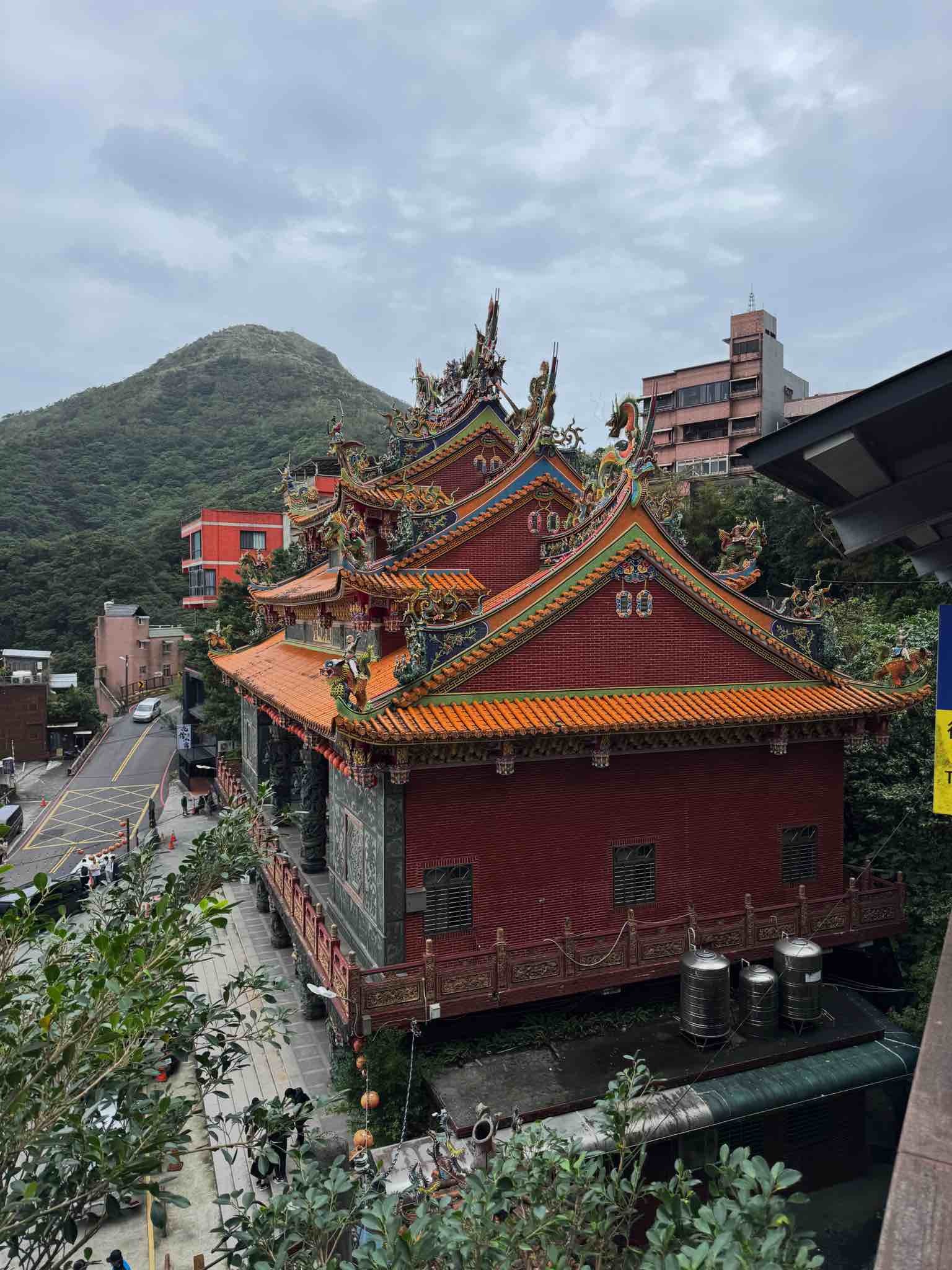

Chongwen Village: a hidden paradise that guidebooks remain silent about
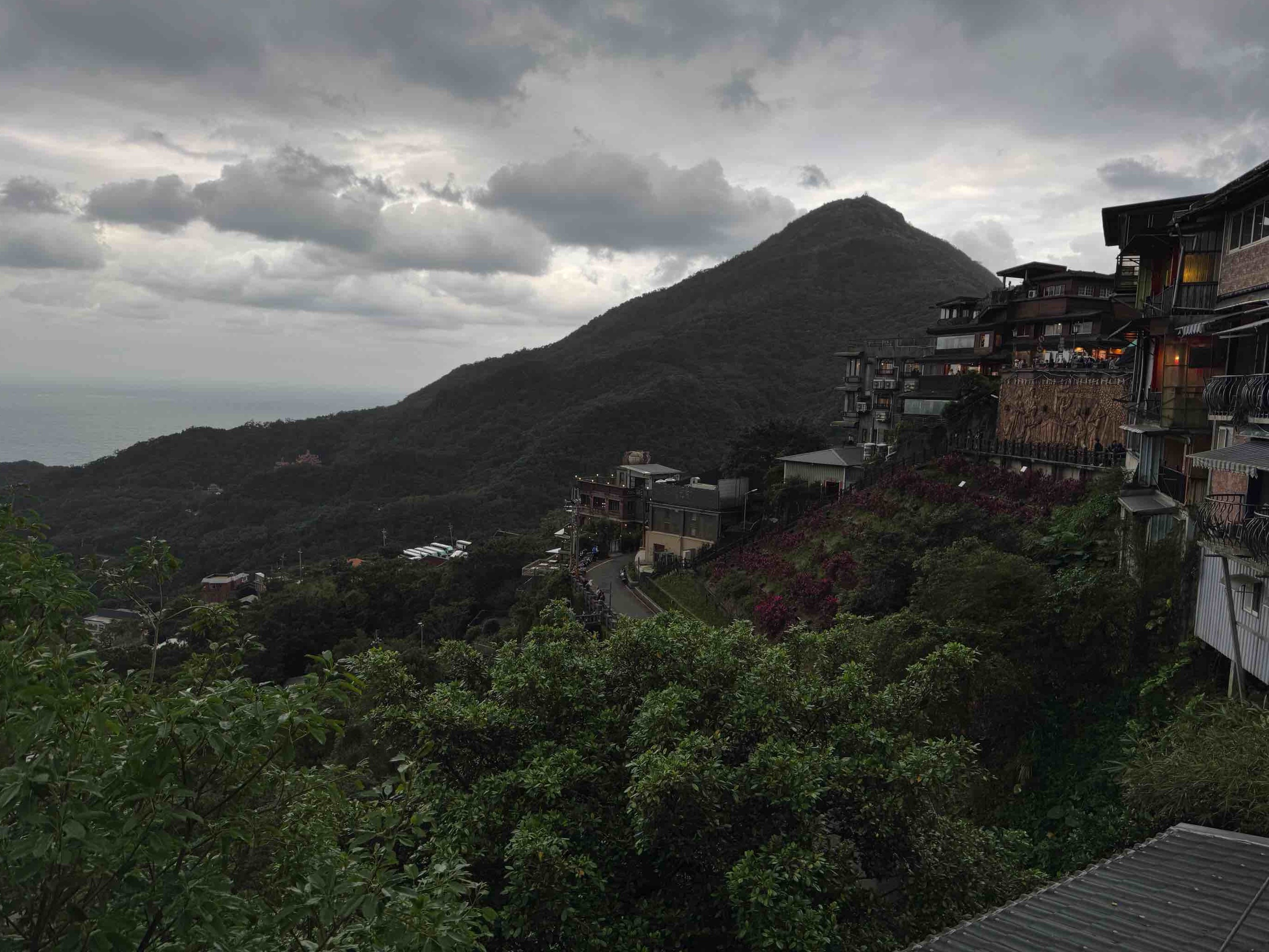
The village is located on slopes covered with lush greenery, where fog often drapes like a soft veil, giving the landscape an almost fairy-tale character.
Tea terraces here form natural waves, and narrow paths wind between them, begging to get lost... and find something more than just views.
The Ruifang region, including Chongwen, is in the subtropical zone, providing ideal conditions for tea cultivation – high humidity and frequent fogs influence the unique aroma of the leaves.
If Ruifang is the gateway to another world, then Chongwen Village is its quietest, most mesmerizing corner.
Instead of planning every step, allow yourself a spontaneous walk – that's when you'll stumble upon the most beautiful spots.
Because as Bill Bryson says - "The most beautiful places are those you discover by chance."
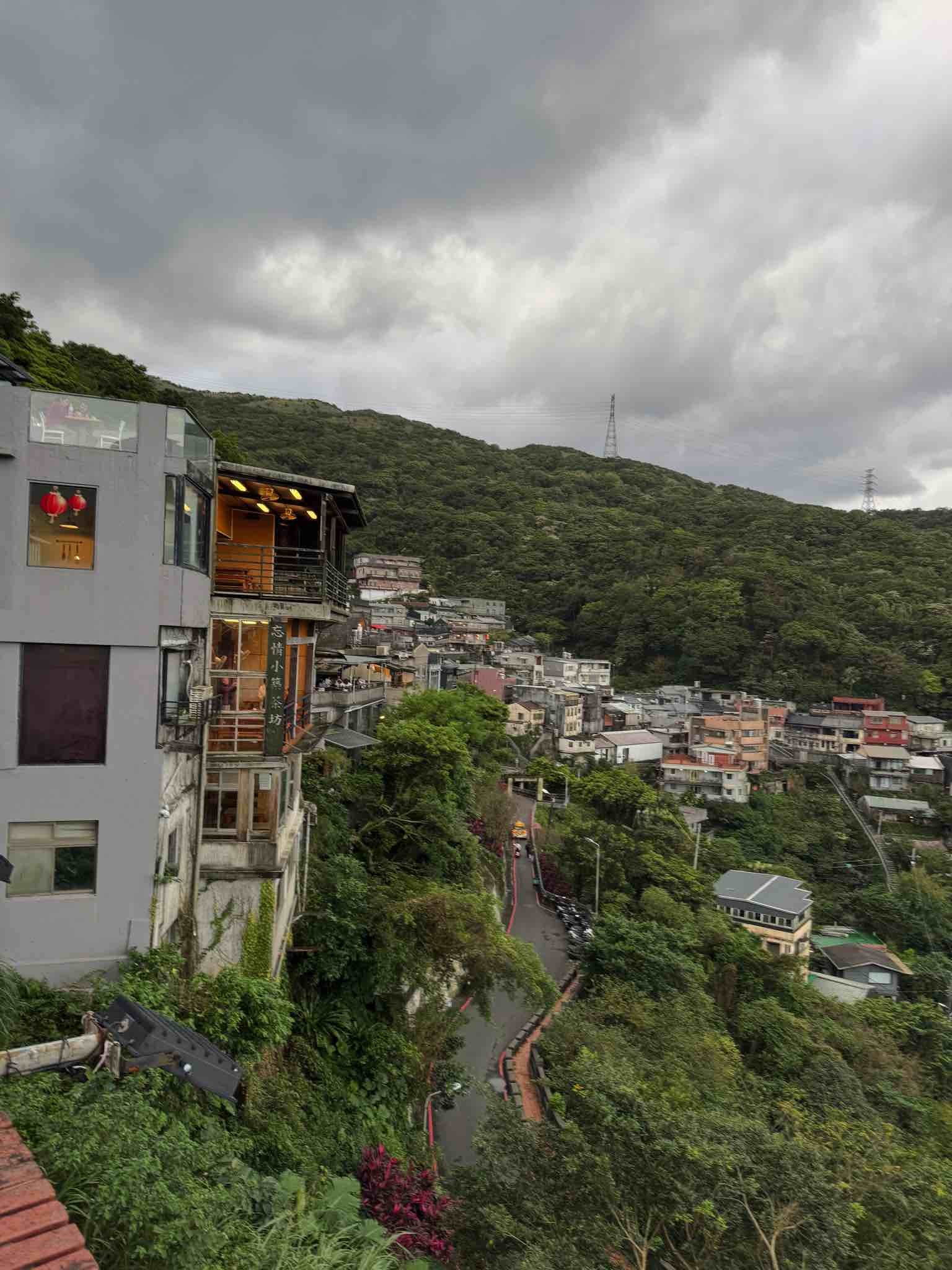

Tea terraces and life in harmony with nature
Walking through Chongwen, it’s hard not to notice how connected the residents’ lives are with nature. Tea bushes grow almost everywhere – by houses, on slopes, in gardens.
Farmers handpick the leaves, often early in the morning when the dew has not yet evaporated. That’s when the leaves have the best aroma.
Interestingly, many families still use traditional tea processing methods passed down through generations. There’s no rush here – everything happens at nature’s pace.
Views that stop time
One of the most unforgettable moments in Chongwen is the sunset. As the light begins to soften, the entire valley is immersed in golden and green hues.
Bamboos cast long shadows, and the fog slowly rises from the valleys, revealing more layers of the landscape. It’s a sight that makes you stop automatically – as if time momentarily ceased to exist.
Time for tea. And tea time in Chongwen is a time of silence, enclosed in steam...
It’s also the tradition of the gongfu cha ceremony, where every element – from water temperature to steeping time – affects the final taste of the brew.
It’s also a specific atmosphere accompanying the enjoyment of the perfect brew.
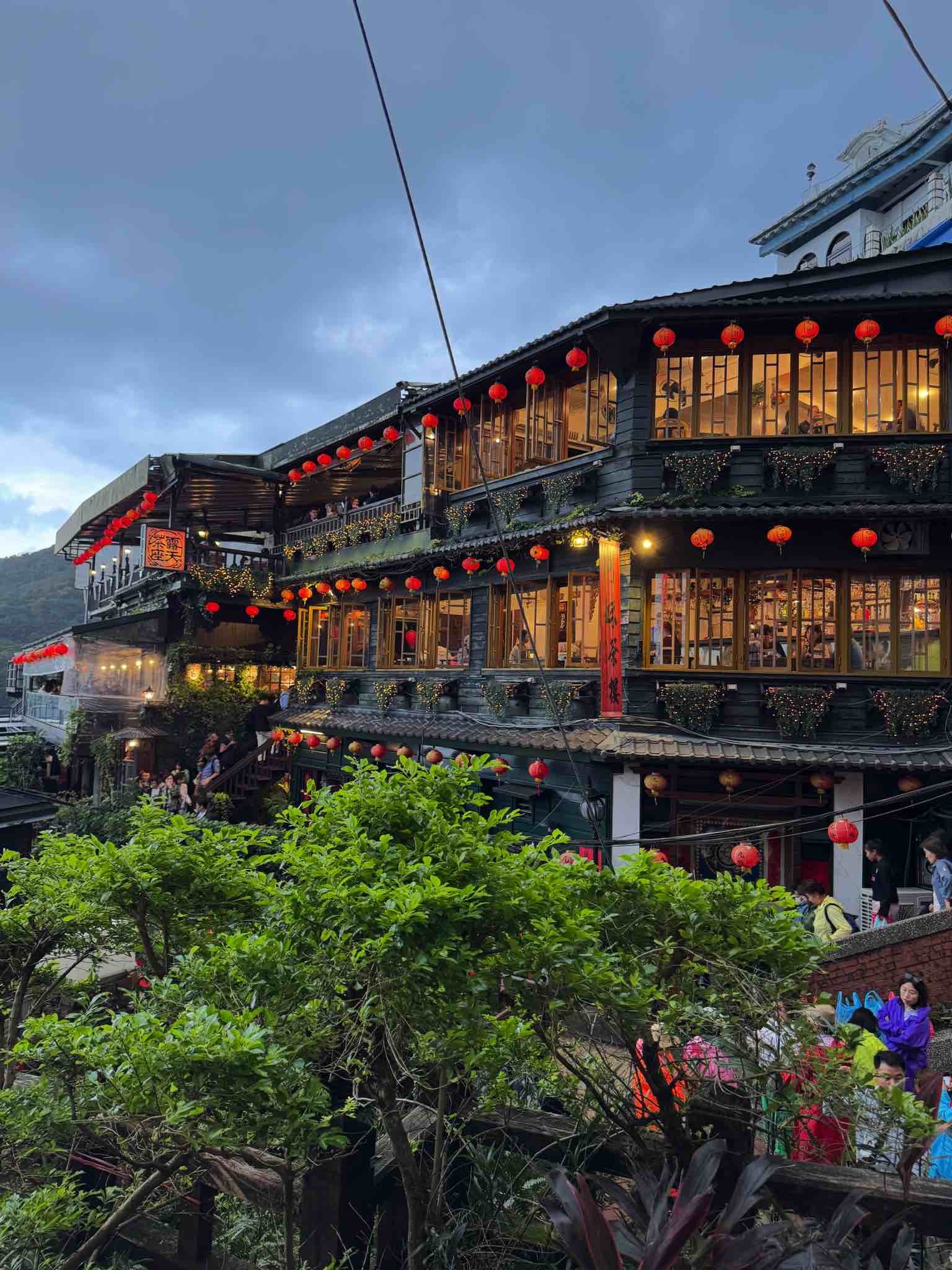

Tea ceremony: more than just a drink
The first sip of tea in Chongwen is not an ordinary experience – it’s a ritual, almost a meditation.
Every movement matters. Every sip tells a story.
Traditional tea ceremonies stem from practices over 1000 years old and are linked to Zen philosophy.
Don’t stir the tea – let the leaves "tell their story" naturally.
The brewing process is slow and mindful:
• first, warm the vessels,
• then add the leaves,
• pour with water at the ideal temperature,
• and... wait.
The first move? Silence.
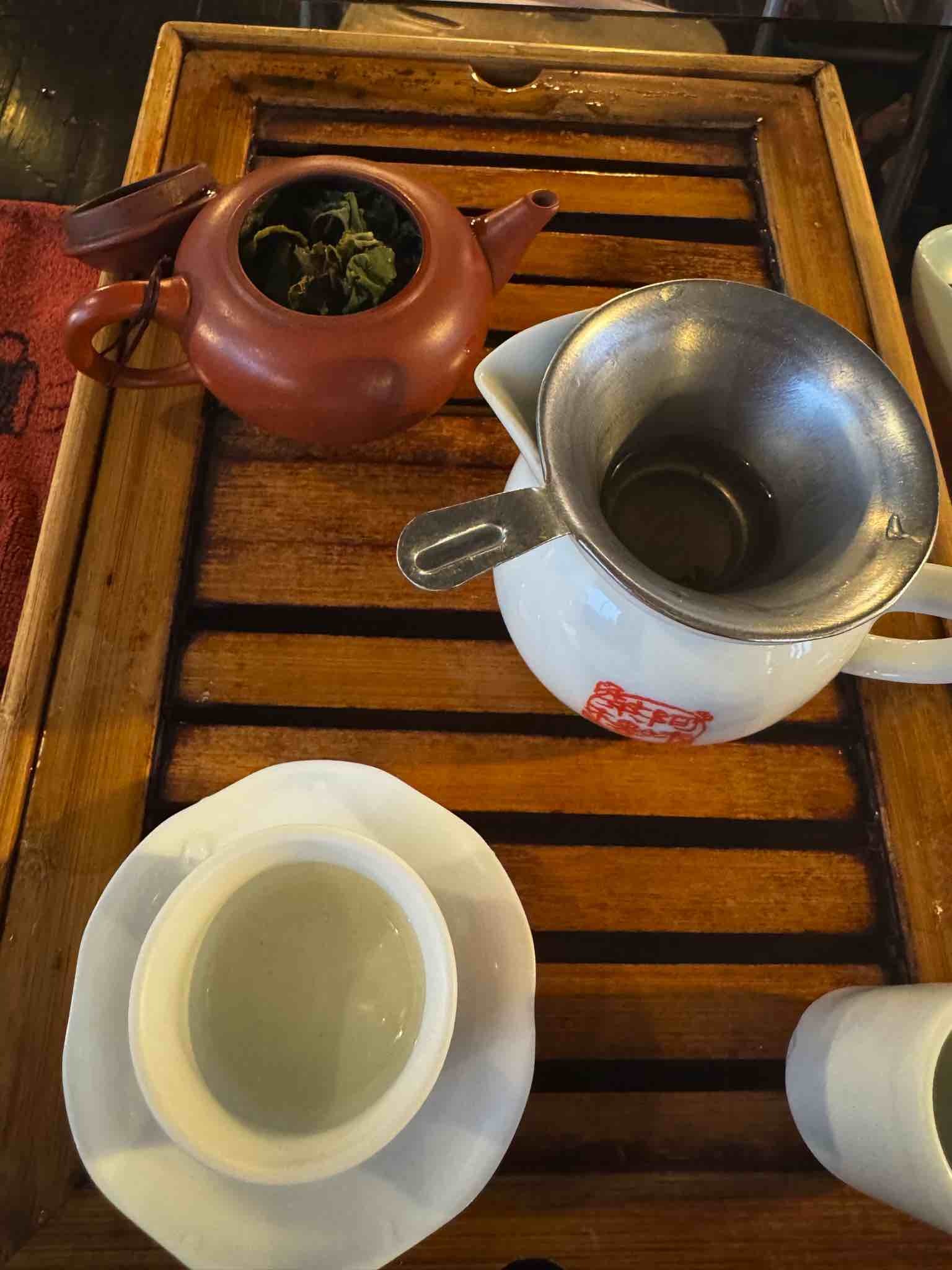
Before we start the ceremonies, we quiet ourselves. We warm the teapot and rinse the cups with boiling water to "wake them from their slumber."
Before using the leaves, we must also "wake them up."
We pour hot, but not boiling water over the leaves, with two gentle movements of the cup, and discard the water.
We do all this on a special tea table, usually made of bamboo plywood, or in richer homes from solid wood. The water from the table drains into a bucket, while preserving the wood, leaving color and streaks on it.
The fact is, tea doesn’t like haste, people unfortunately do.
The second step? Pouring water over the leaves.
When the first oolong leaves touched the water, the aroma filled the entire room – floral, slightly sweet, with a hint of something hard to grasp.
And that’s just the beginning. Oolong leaves can be steeped 5–7 times, with each infusion bringing out different flavor notes.
Don’t stop at one brew – the real magic begins only with subsequent steepings.
By the third infusion, the atmosphere became... heavier. Fog began to gather outside.
The fourth brew is a taste that lingers for a long time.
Moreover, each subsequent cup was different – more subtle, deeper, as if the tea was slowly revealing its secrets.
Besides, "Good tea doesn’t end in the cup. It remains within a person."
So drink tea without your phone, without distractions – just you and the taste.
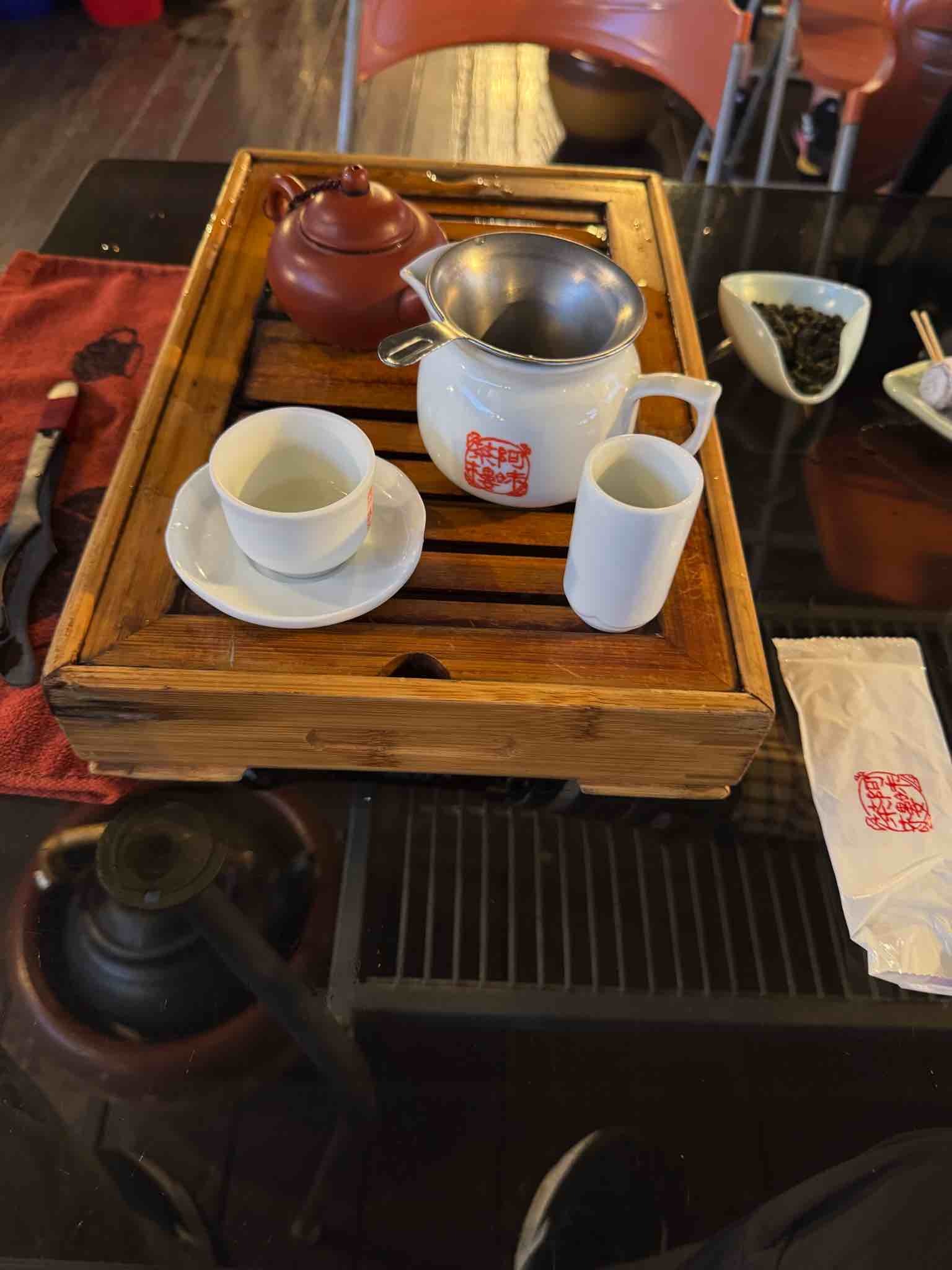

The final step of the ceremony is pouring the last drops of tea onto the wooden table. This is for those, "who were here before us"…
In Chinese and Taiwanese tradition, pouring the first or last serving of tea is a symbol of respect for ancestors.
Next time you brew tea – try to do it more slowly. Perhaps you’ll hear something more than just silence.
"Tea connects worlds – the visible and the other one."
For the highest quality leaves, picking must be done by hand. The quality of hand-picked leaves is 20% higher compared to mechanical harvests. To ensure that quality "makes it" to the cup, remember that the water used for infusions should be around 80-85 degrees Celsius. Never use boiling water.
If you have the opportunity, visit a local farm and try to pick the leaves yourself – it completely changes the way you perceive tea.

Between reality and legend
Chongwen is a place where the boundary between what is real and what is told is incredibly thin. The architecture not only protects from rain or wind. It protects stories.
And the legends? They are not just for tourists. They live here alongside the locals.
And who knows… maybe that’s why tea tastes different here.
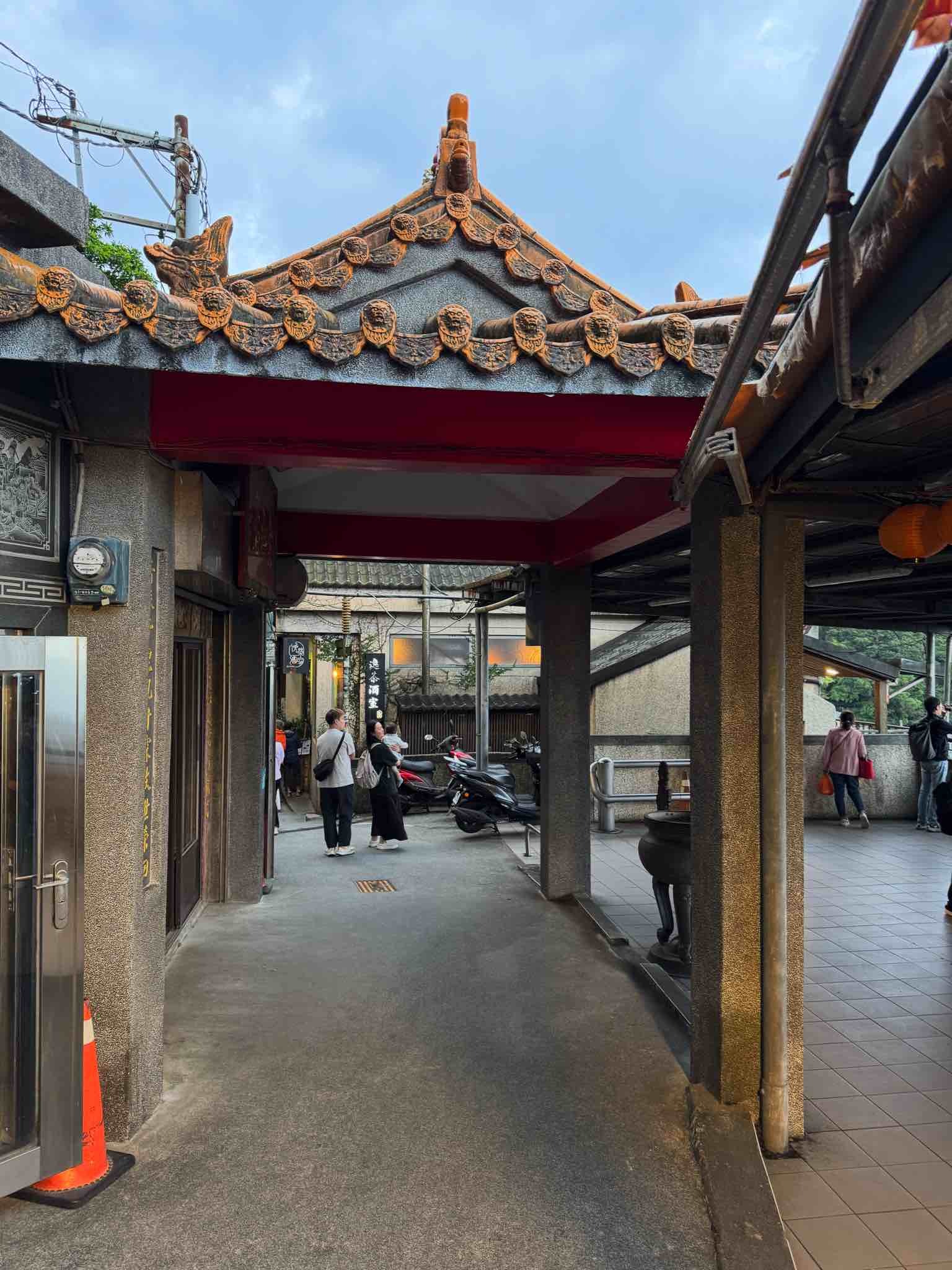
Traditional rural architecture in Taiwan often incorporates feng shui principles to ensure harmony between humans and their surroundings. You will also often find protective symbols or calligraphy placed on door frames.
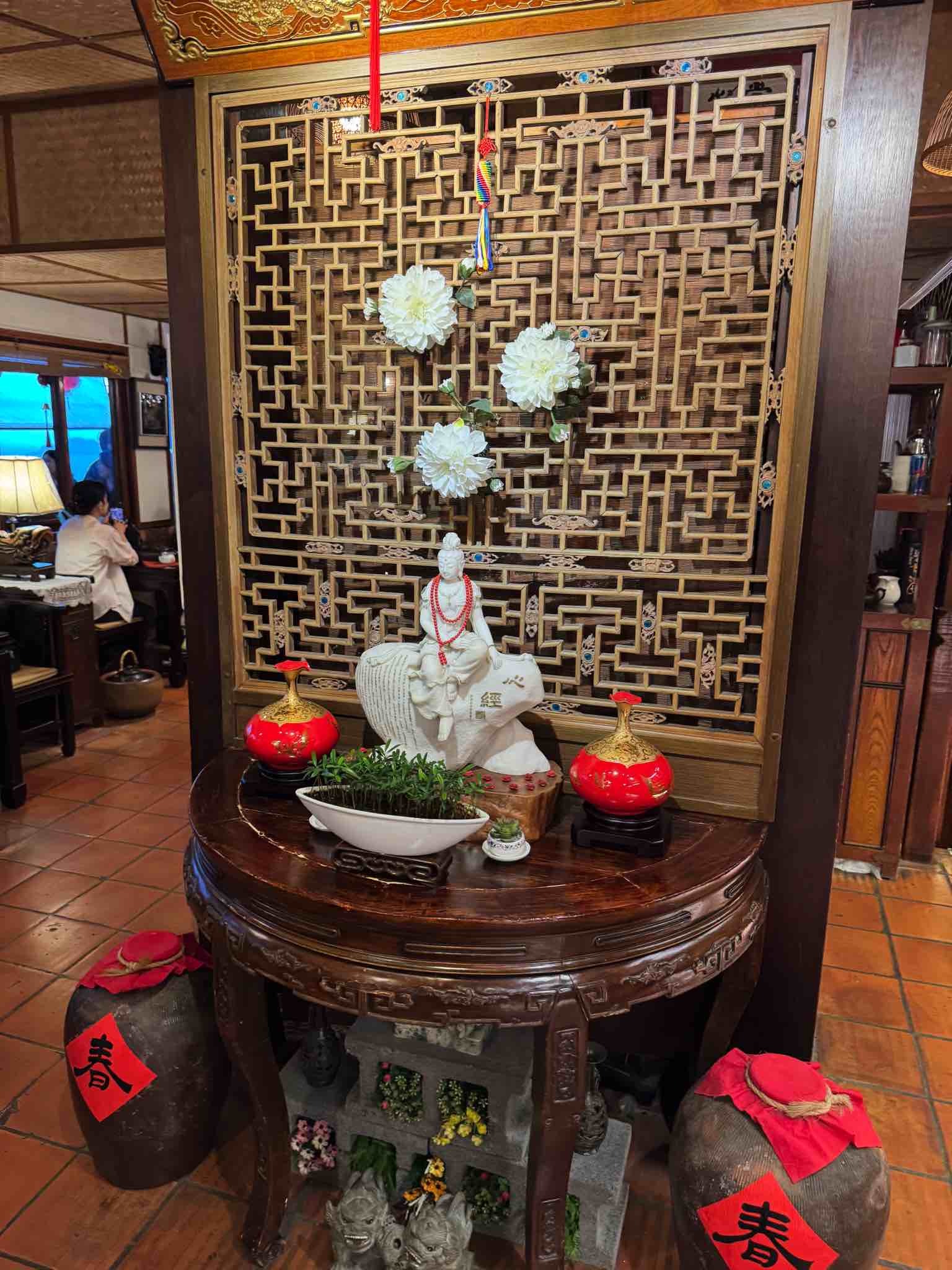
The doors in Chongwen are more than just an entrance – they are a boundary between the outer and inner worlds. They are often adorned with red signs or amulets protecting against evil spirits.
On the frames, you can spot engraved symbols of luck, longevity, or prosperity. Some are barely visible – worn away by time, but still present.
In many homes, you will also find small altars – with incense, fruits, and… a cup of tea.
Nothing in Chongwen is accidental. The layout of the houses, the direction of the doors, even the arrangement of tables in tea houses – everything is subordinated to the principles of harmony.
According to local beliefs, a house should "look" towards the direction that brings life energy (qi), while also protecting the residents from negative influences. That’s why many buildings are turned away from the hills, facing the open space.
For building houses, Taiwanese people use local materials – wood, stone, and clay – which helps them cope better with the humid, subtropical climate.
💬 "A home is not a place, it’s a feeling."
Book a stay in a local guesthouse – the experience of living like a resident is priceless.And maybe the shadows between the walls will tell you a story from the past?

When night falls, Chongwen transforms beyond recognition. The same houses that seem cozy by day take on a different character at night.
Bamboo groves envelop the village like a natural temple. When the wind passes through their slender stalks, it creates a sound reminiscent of an ancient song. It is here that time slows down, and one begins to listen to the world more attentively.
Fog slips between the buildings, and the light from lanterns casts long, flickering shadows.
And that’s when the stories begin.
A house without doors
One of the most famous local legends speaks of a house that… has no entrance.
Apparently, there once lived a family there that vanished without a trace. When neighbors entered, they found everything in its place – food on the table, tea in the kettle… but no people.
The next day, the doors disappeared.
Today it is said that the house still stands somewhere on the outskirts of the village, but it can only be seen in the fog.Taiwanese people claim that… "Some places do not want to be found."
Disappearing houses and "shifting" spaces are a common motif in Asian legends.
If you see something that looks familiar… but you don’t remember it being there – trust your intuition.

What to bring back? Tea treasures from Taiwan
If you think tea is just tea… oh, you’re in for a surprise.
In Chongwen, I tried several exceptional varieties:
• High Mountain Oolong – delicate, floral, an absolute classic
• Dong Ding Oolong – more pronounced, slightly nutty
• Baozhong – fresh, almost green in character
• Oriental Beauty – sweet, with a hint of honey (my personal gem!)
Taiwan produces some of the most prized oolong teas in the world, exporting them to over 50 countries. It is also my favorite tea; whether green or black, oolong is always a feast for my taste buds.
"Good tea is the one that stays in memory." – anonymous tea master, and I believe him.
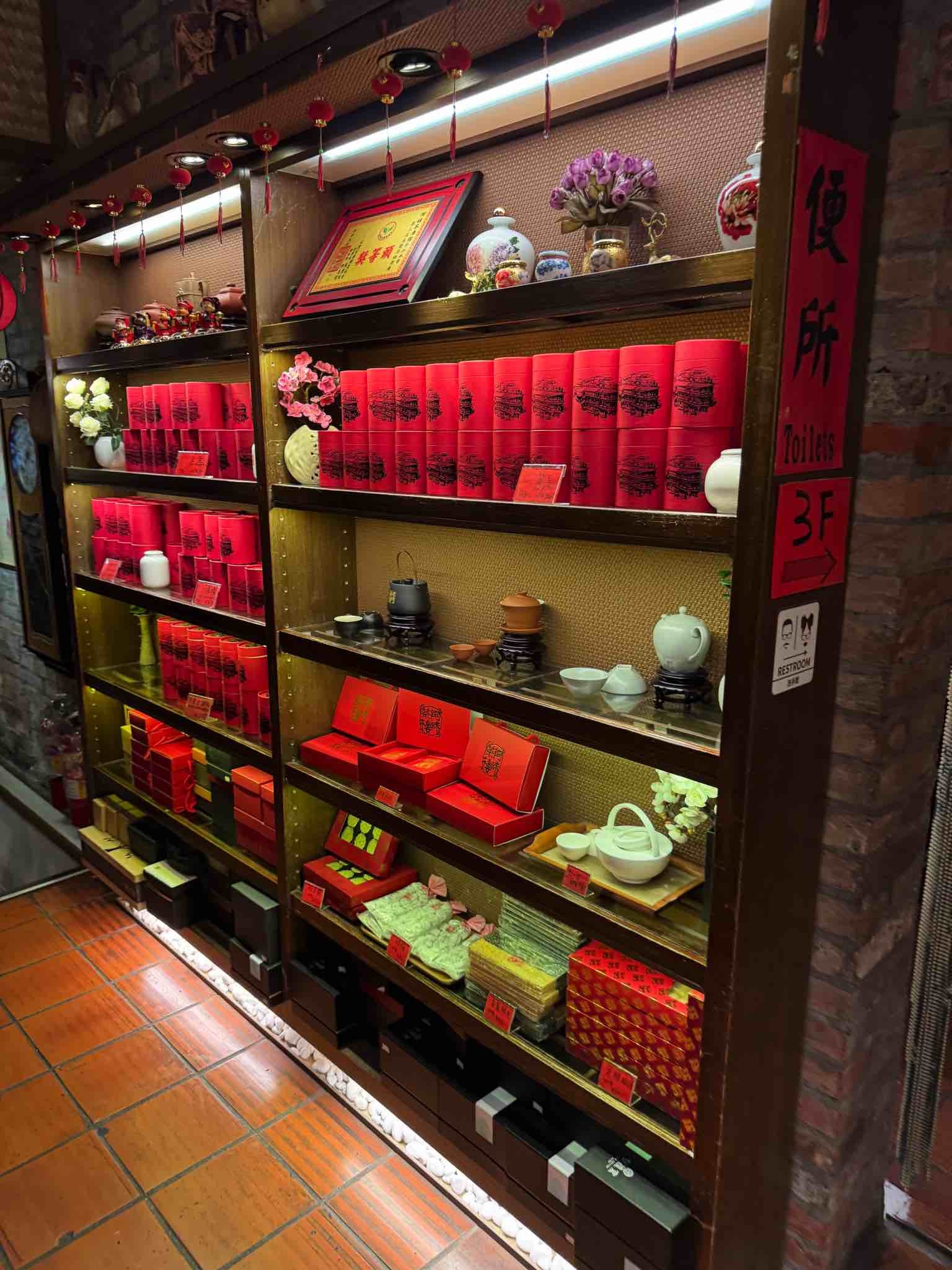
And one more thing, buy loose tea from local producers – avoid tourist shops.

And finally, a few transport tips.
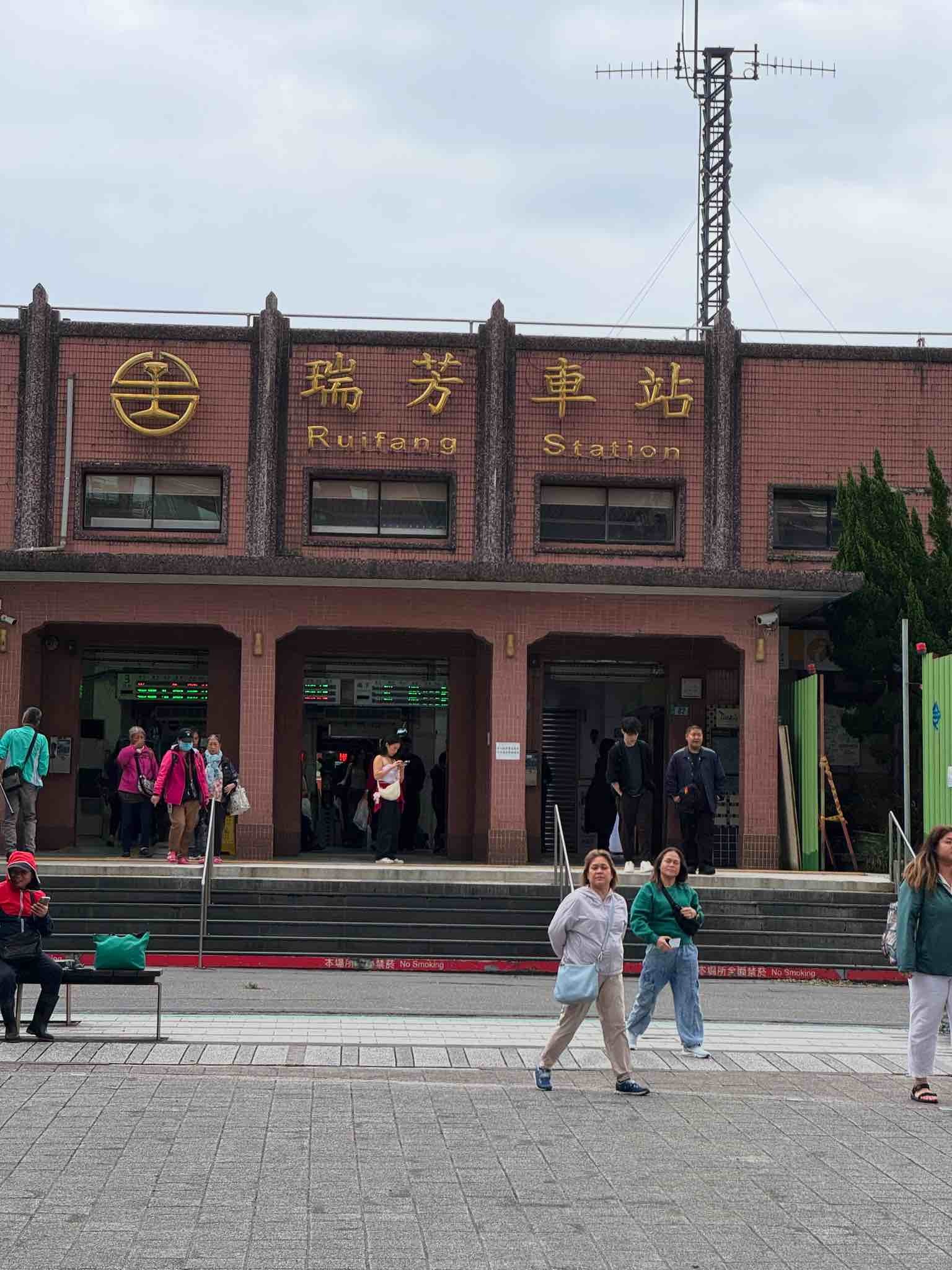
Getting from Taipei to Ruifang is incredibly simple:
1. Get on the TRA train from Taipei Main Station.
2. Get off at Ruifang Station (about 40–50 minutes).
3. From there:
• local bus.
• or taxi (about 10–15 minutes to Chongwen).
Public transport in Taiwan is one of the most punctual in Asia. The signs at the stops display departure times, and you can set your watch according to them.
Remember to buy an EasyCard – you'll save time and money.

What else to see in the area? Hidden gems.
Since you are already in Ruifang, don’t just stay in one place.
It's worth visiting:
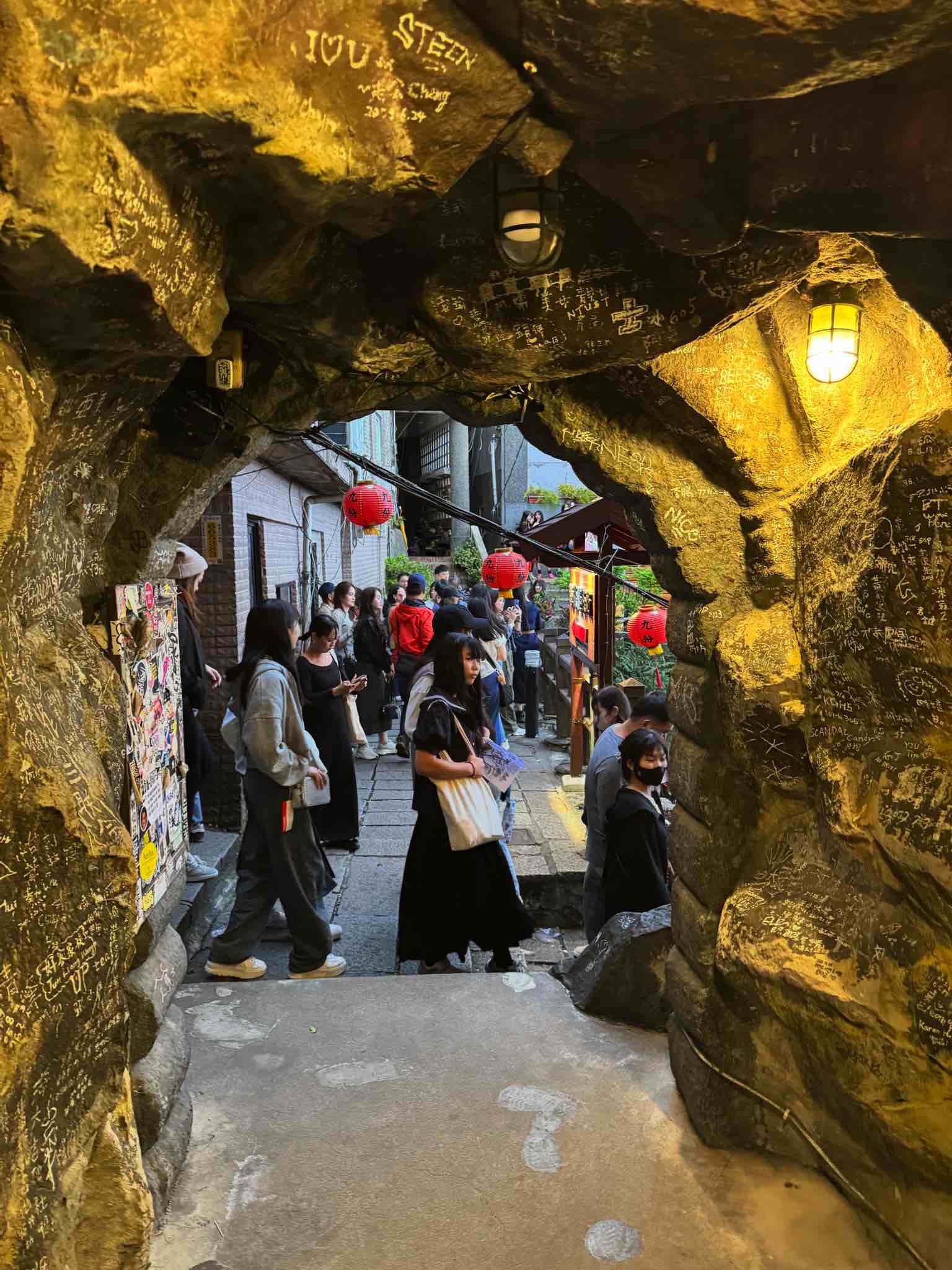
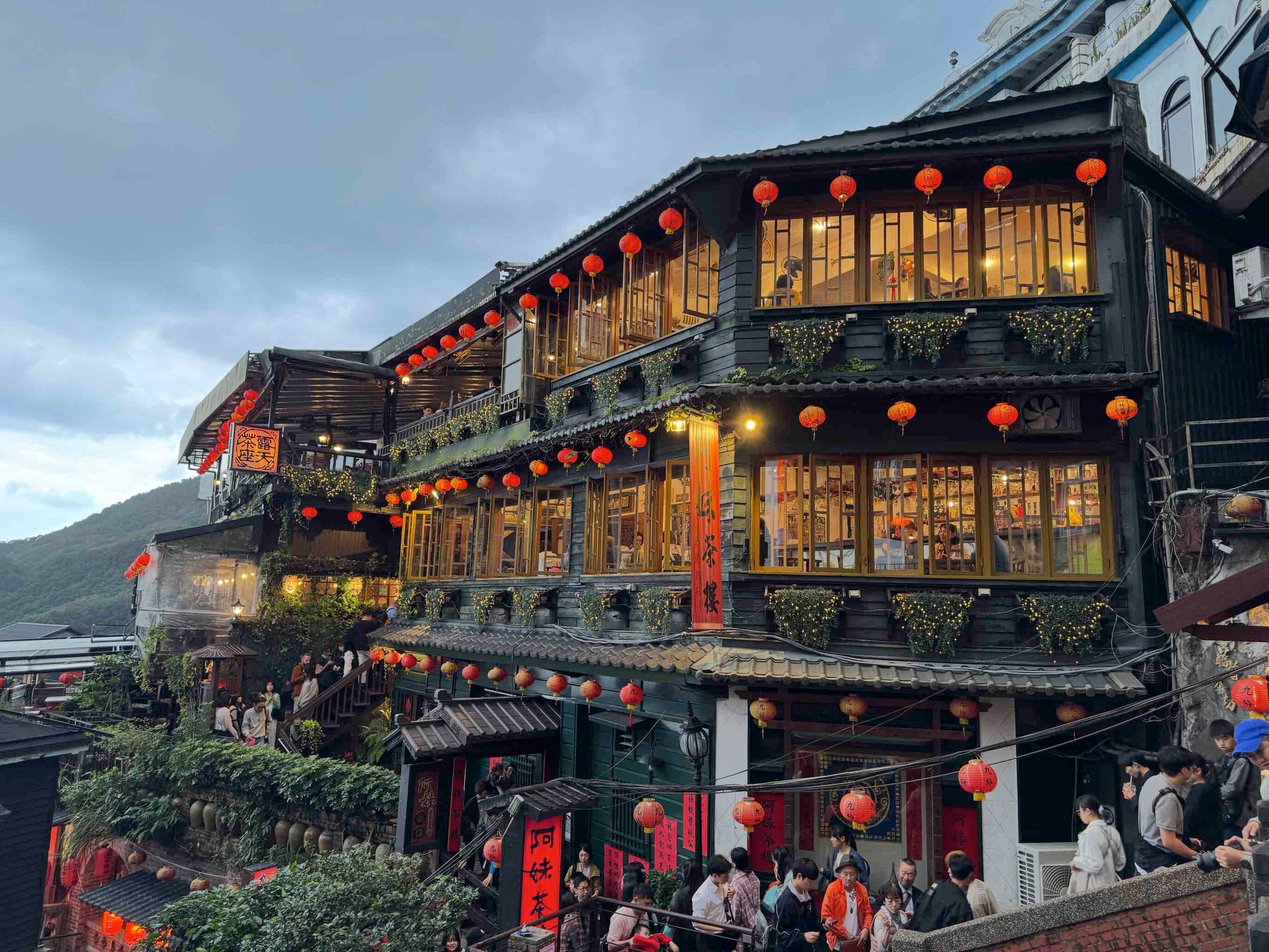
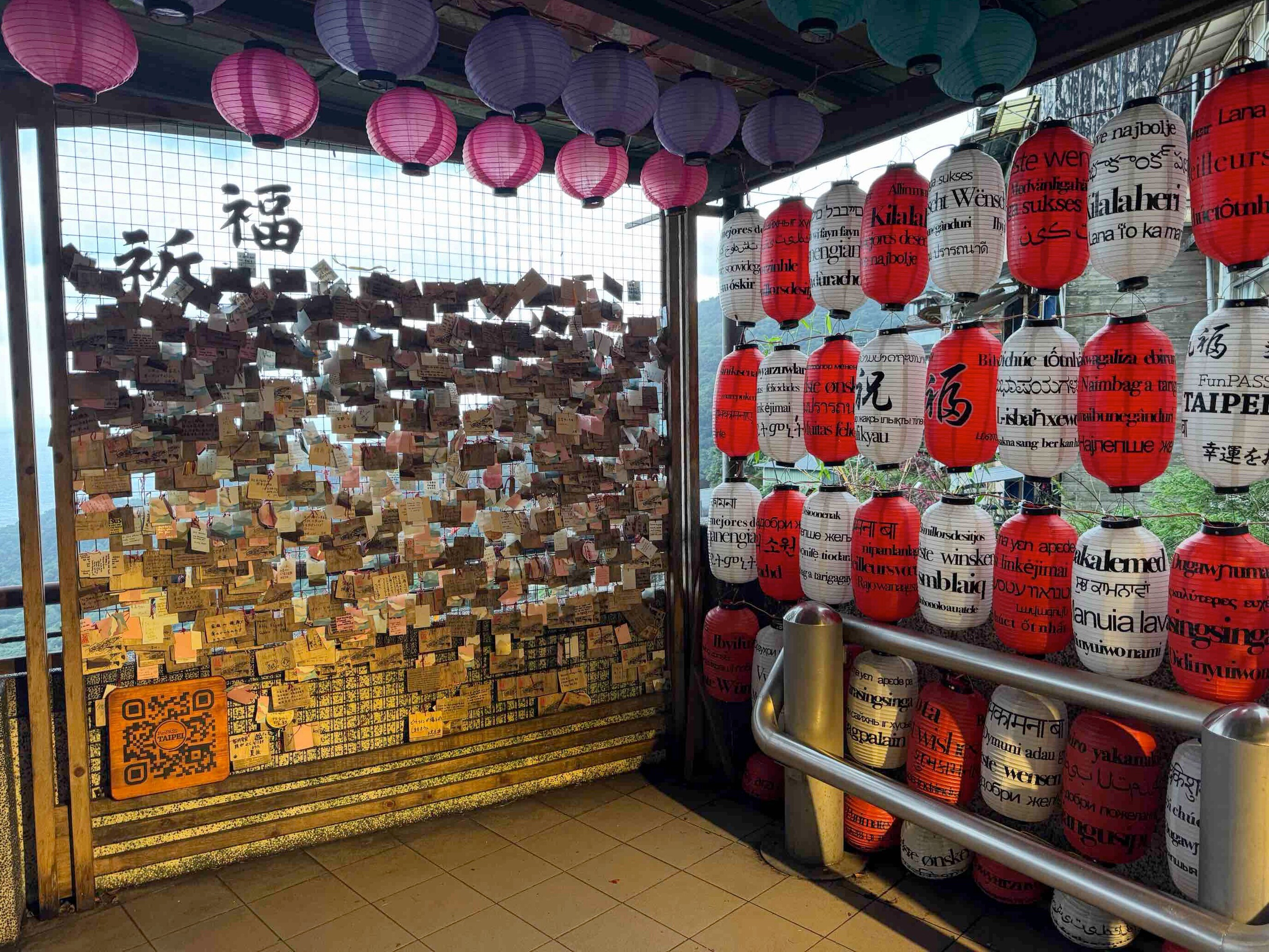
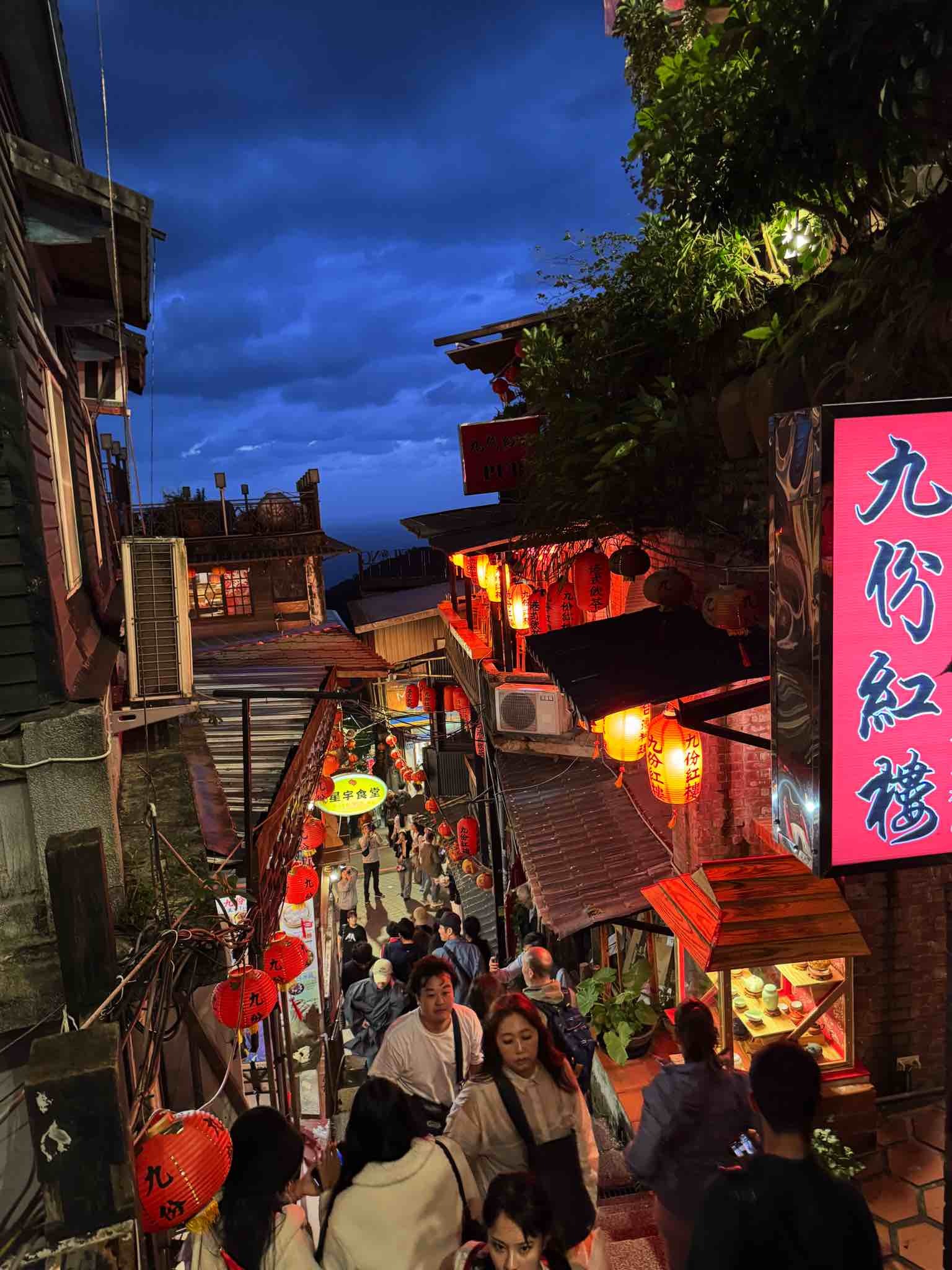
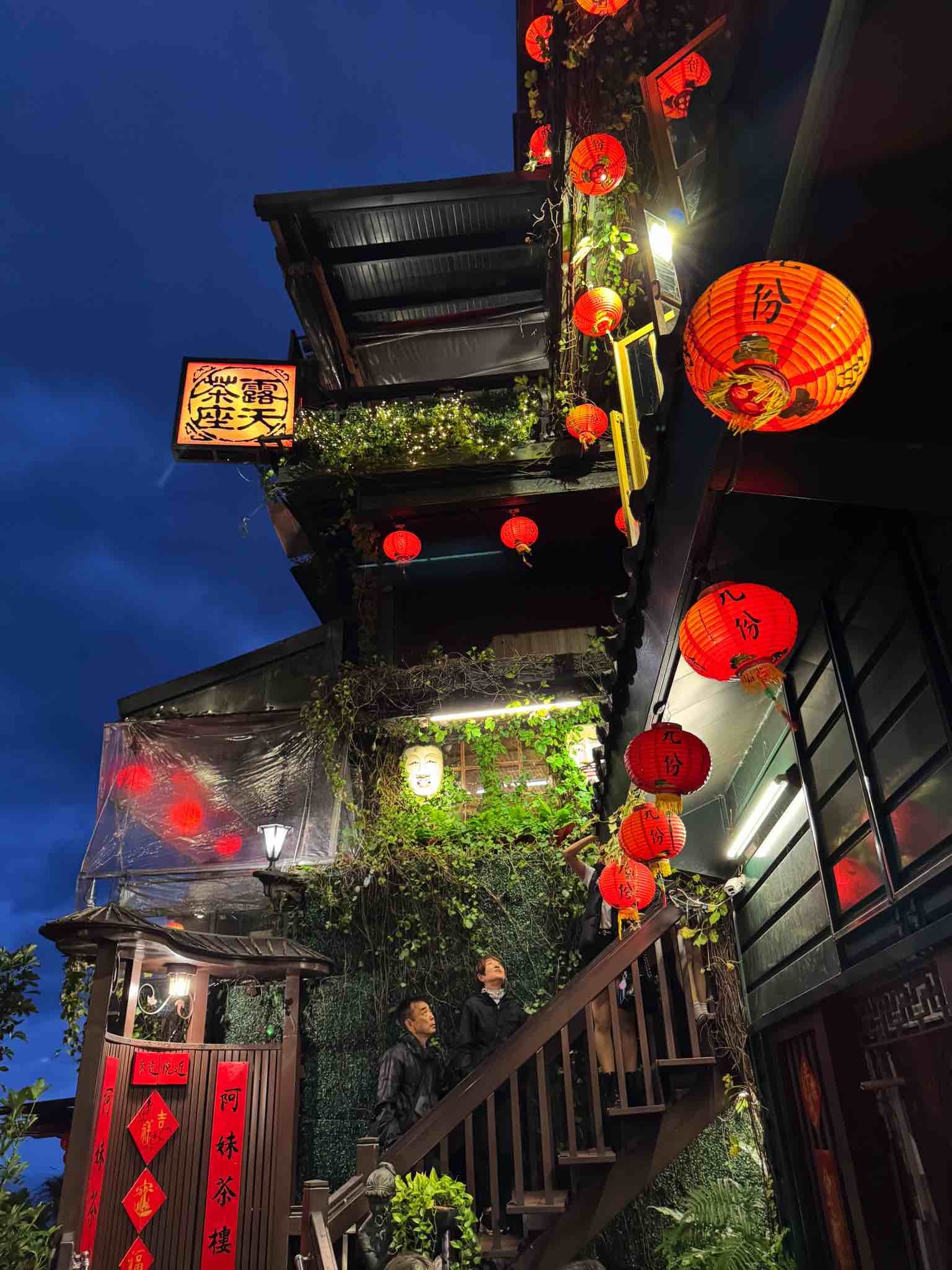
• Jiufen Old Street – atmospheric alleys and red lanterns.
• Shifen Waterfall – Taiwan's "Niagara."
• Pingxi Sky Lantern Festival – magical lanterns floating into the sky.
But I will tell you about them another time…
A trip to Ruifang and Chongwen is not just a stop on the map – it’s an experience that penetrates deep under your skin, a journey that stays in your soul.
Bamboo forests, the aroma of tea, silence interrupted by whispers of legends… all of this creates a story you take with you.
Research shows that being among bamboo can reduce stress levels by up to 30% – it’s a natural therapy for a tired mind.
This place teaches one thing: sometimes it’s worth slowing down, listening to the world, and allowing the stories to come to us.
And who knows… maybe the next time you brew tea, you’ll hear something more than just the bubbling of water.


More new articles
Pages created with WebWave